Building Rodeo SC: A Conversation with Sporting Director MJ Tate
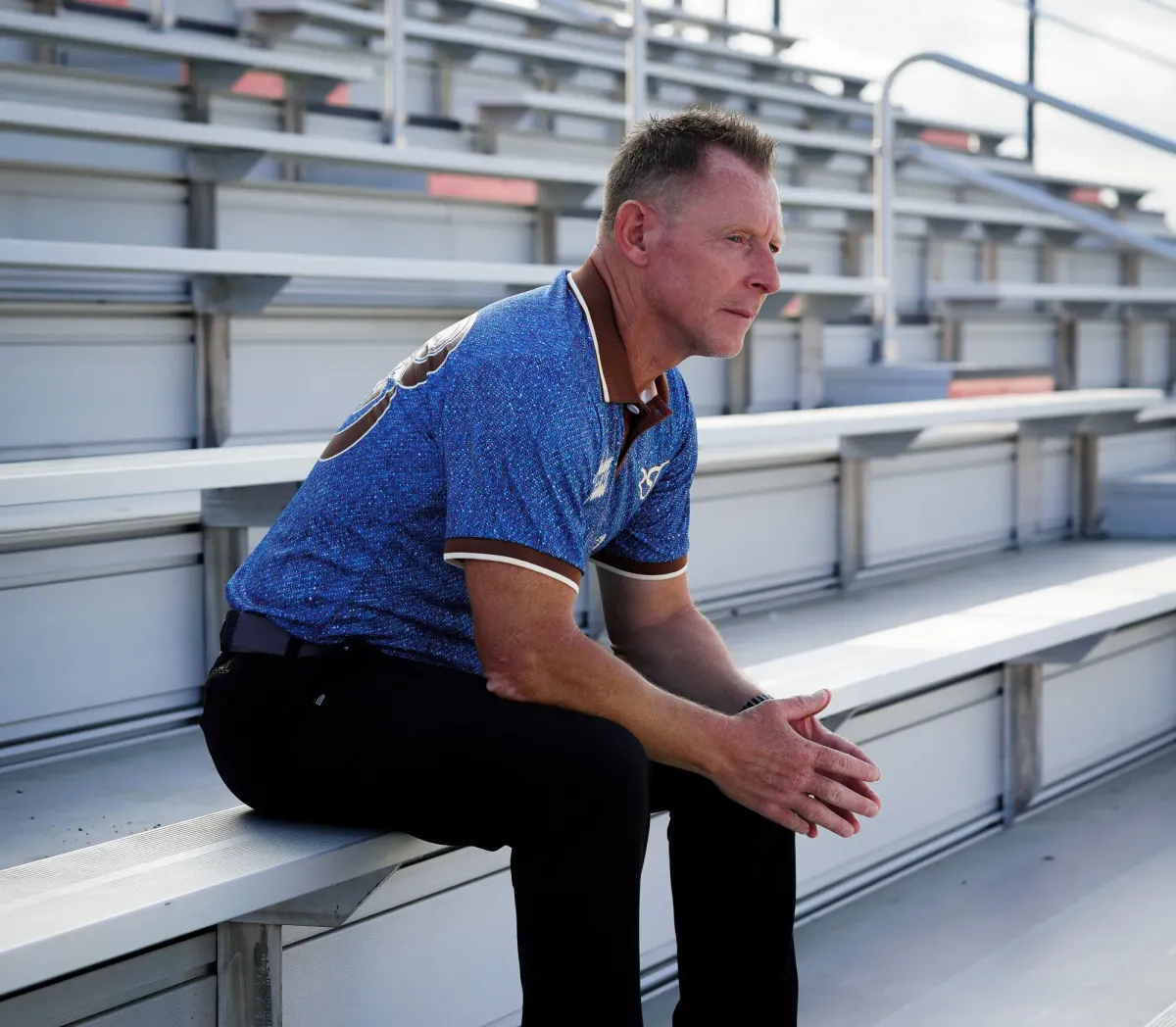
Rodeo SC's new Sporting Director talks club building, promotion and relegation and his experience in the early days of the USL.
Blue collar, gold swagger: this is what MJ Tate wants you to expect from Rodeo SC when they take the pitch 17 months from now.
The expansion club will join USL League One in 2028, and the work of building a professional soccer team is underway, with Tate joining last week as the club’s first Sporting Director.
On its face, the hiring seems unorthodox. Tate brings a wealth of soccer coaching, management and business experience over the last 25 years, but none at the professional level. Since his playing career ended in 2001, he’s worked mostly around youth, college and pre-professional clubs.
But unorthodox describes a lot about Rodeo SC in general.
Deeply Rooted: Lessons Learned and a New Vision
Originally announced as a 2027 entry to the league, Rodeo SC decided to delay by one year to get things right. Both an off-shoot and a partner of current USL League Two club Texoma FC, the clubs share ownership and those now building Rodeo SC carry over a lot of lessons learned from Texoma’s failed attempt at a USL League One club.
While Tate was not involved in Texoma or Rodeo SC's decision to delay, he calls the action “healthy," saying he’s “convinced that we have to have strong roots before the fruit is bared.”
Given the historical instability in USL League One, experienced first hand by many in the Rodeo SC office, Tate said “we have to plant those roots, whether that's a business side, or whether it's a sporting side, such that we can do things right.
“I do think there's a patient, process driven way of deliberate practice that needs to happen.”
He says Rodeo SC’s leadership is “deeply rooted in preparation” and “rooted in getting infrastructure set in stone.”
“Whether that's field development projects, stadium projects, etc.,” he said, “they have an amazing vision, and that's why I'm here.”
Humbling: Tate's Experience in the Early Days of the USL
A journeyman who went from Southampton in the English Premier League to Cardiff City in the third division, and then bounced around the English lower leagues with Fareham Town and Hungerford, the Dutch second division and the top flight in South Africa, Tate finished his own playing career in the early days of the USL.
He spent his final season with the Utah Blitzz in 2000. The club was part of the USL D-3 Pro League, an experience he calls "humbling" compared to his experience at the top levels in Europe.
However, he says those coming from Europe, alongside others from South America to places like Utah helped "set a great precedent of standards, and allowed for our direction to help govern and lead the clubs that we were a part of" by sharing experiences from all over the world.
It goes without saying that the USL has come a long way since then.
"Some of the pitches I trained on were ankle breakers," he said, "now, we're dealing with trying to build [Rodeo's] facilities with world class pitches and the best grass on the planet."
"I think that shows just how far we've come as a country," he surmised, "how far we've come in our evolution, in football, in soccer here in the U.S."
While the USL is not perfect, the experience in the early days of the league taught humility, and gives Tate a unique ability to understand the player experience in the American lower leagues.
"In my role, starting from the ground up and building with a blank canvas, I think that's the exciting part," he continued, "I think the only way is up."
Patience and Process: Building the Sporting Organization
As the club’s first sporting hire, Tate will have a hand in overseeing everything from coaching leadership, player recruitment, academy development and helping form the club’s long-term identity.
But on day one, the focus is on forming the academy system and youth programs.
“We have some pretty lofty goals,” he explained, saying he wants to “build a football club that prides itself in having a large number of its player personnel on the professional side, coming from the academy.”
It’s a challenging prospect, and other clubs in the league with similar intentions have seen mixed results. But Tate is confident in the amount of talent in North Texas and the United States in general, and believes with “patience and some process,” Rodeo SC can develop “world class players.”
He plans to draw on his own experience as an academy player for elite systems such as Southampton, where he trained alongside the Premier League’s all-time leading goal-scorer Alan Shearer. He remembers vividly how the levels interacted with each other, from the U14s all the way to the first team, where it “was all super fluid.”
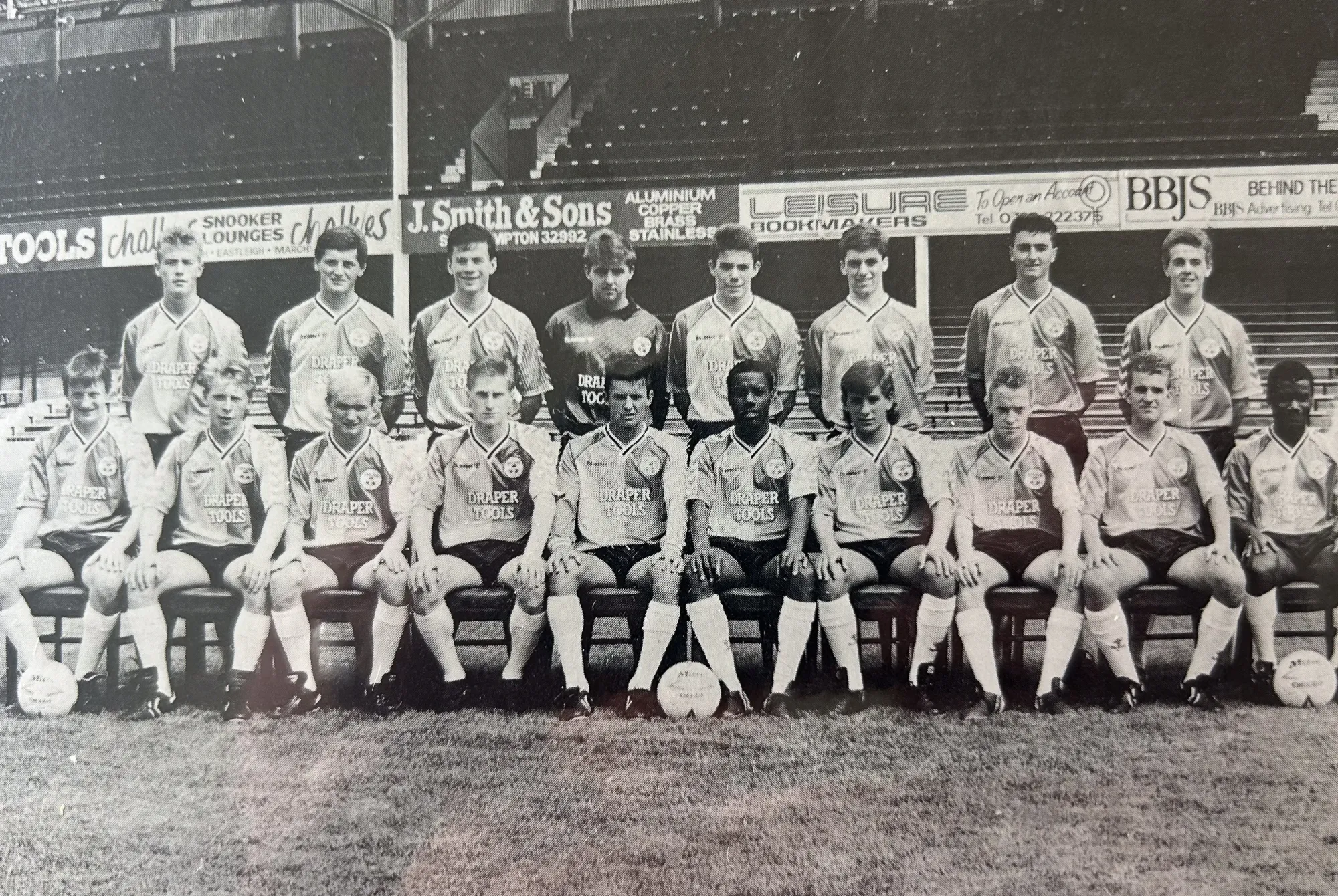
“You could see that if a player was doing really well, it wasn’t ‘let’s keep him down playing so we can win more U16 games,’” he said, “move this kid to the U21s, move him to the reserves.”
He says there are compelling stories waiting in the wings, like that of Shearer who scored a hat trick against Arsenal at the age of 16 after being given a shot with the first team.
“I think the US is desperate to have those stories,” he said, “and I think we can have a myriad of those stories if we do it right.”
After planting the seeds for the youth and academy systems, next in the timeline is a first-team head coach, followed by players.
Tate says he's "already on it," and has "had talks with multiple groups and players globally," drawing on the connections he's formed over the years as a player, coach and soccer businessman.
He said the ideal timeline for hiring a head coach is currently about one year to nine months before the start of the 2028 season. Getting the coach in early would allow them to grow with the brand of the club, and then have input on the player selection.
As far as players, he says it will be "super process driven," and not reactive.
"There's ample UAFA pro guys out there, US pro guys that we could bring on board, but are they the right fit?" he said.
He hinted at possession being a big part of the tactics he's looking to implement at Rodeo SC.
"The way that we want to play is having a lot of the balls." he explained, "so that's a clear component from a tactical standpoint that we're looking for."
"We want to be a team that, without the ball, absolutely animalistic," he continued, and when in possession, "we're killers, it's very difficult to play against us, we're aesthetically pleasing, we're confident, we love to go forward."
He said wants to form a squad that dominates the ball and scores a lot of goals.
"I mean, that sounds puristic in some ways," he said, acknowledging his use of buzzwords.
"I hear it all the time, and soccer in this country, how can we be, like Barcelona, like PSG?," he continued, "the intention is to be like that, and why can't we?"
Ultimately, he wants the fans to come away saying "wow."
"We want them to support this community club because we gave everything, win lose or tie," he concluded, "we want kids to see that work ethic is the bare minimum standard for being a footballer, and that you can control how hard you work."
"Blue collar, gold swagger," he concluded, "those are things that in a small community, it's gonna resonate."
Long Overdue: Promotion and Relegation in the United States
Rodeo SC will be joining the professional ranks at or just before the implementation of promotion and relegation.
"It's an exciting time, coming in potentially when promotion relegation is being implemented," he said, "you get to build with that in mind."
“I think American soccer should be absolutely brimming with excitement that promotion and relegation is here,” he continued, “I think it's long overdue.”
“We’ve all followed the Wrexham story,” among other popular programs involving promotion and relegation, such as Ted Lasso, he said.
“I think it creates this ambiance of meritocracy, and ultimately, we need to be a country that understands merit, is how we become champions,” he continued, “and that's the beauty of promotion and relegation, it doesn't allow for mediocre at all.”
He added, “the league should be super proud of themselves in instituting something like this, and having the courage, because it's ultimately a courageous move.”
In the meantime, Tate will be busy looking at coaching and player prospects, and the club will continue building its own brand and presence in the community. Even 17 months away from kickoff, the front office is already filling up with full time staff, who are keeping busy with community events.
Last weekend, the club hosted a "Pumpkins on the Pitch" event, one of many upcoming community engagements aiming to establish the brand in the North Texas community.
With branding, merchandise, and now a Sporting Director, the club should be more than ready for its 2028 debut in USL League One.
Photos provided by Rodeo SC. Stories on this website are developed, written and edited by a human. Want to support original content about lower league soccer? Sign up for a FREE subscription, share on social media, post on Reddit and/or Buy Me a Coffee. Thanks for reading 🫡